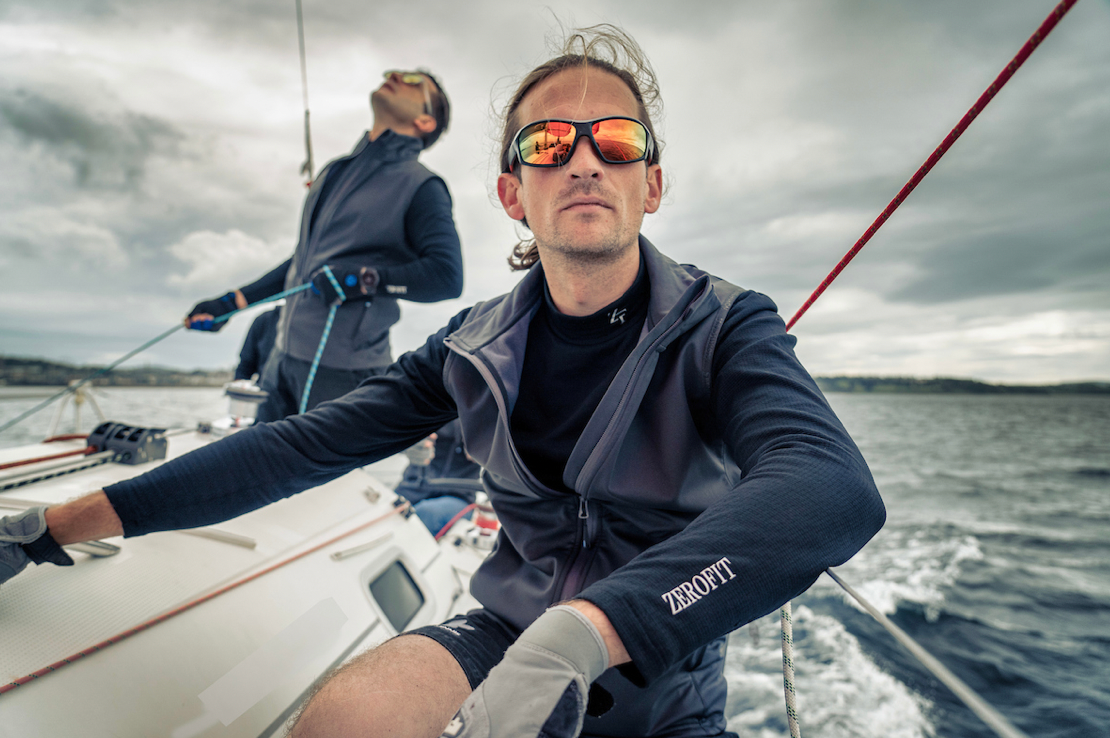
What Makes Zerofit Fabric Technology Unique?
Zerofit engineers create products that boost comfort and mobility using specially designed fabrics. With Zerofit fabric heatrub technology, these five products with their unique features came to fruition:
Heatrub Ultimate
The traditional base layer that seals in body heat so it becomes warm instantly. What's even more impressive is that the unique fibers of this garment enable you to create frictional heat. Lastly, the four-way stretch fabric allows more movement than its more common base layer counterparts permit. All these benefits contribute to it becoming the flagship product of the Zerofit line.Heatrub Move – Looking for a Zerofit product with the most versatility? Move provides this to you while allowing you to stay warm. The fabric used has a 2-layer construction that promotes moisture-wicking, moving moisture away from the body, making it the best choice to wear during sports activities like hiking, running, hunting, fishing, golf, baseball, or soccer.
Cold Skin
Do you need to protect yourself from harmful ultraviolet rays while joining active sports or other activities under the sun? If so, you'll want to wear this base layer as it provides UPF50 (50+ ultraviolet protection factor, which is the maximum rating a fabric can have.Thermoweave – This product enables fluid body movements with the 500% stretch afforded by the fabric used for this Thermo Weave.
With ZeroFit USA, products designed with the Zerofit Fabric Technology are now available throughout the United States. Get the best protection and versatility possible when you buy our products. For questions or orders, contact us here or shop here directly.
Fabric Technology FAQ
Common questions about how Zerofit's moisture management and heat-retention technologies work together — and when each matters most.
What is moisture-wicking, and which Zerofit products use it?
Moisture-wicking fabrics pull perspiration away from your skin and spread it across a larger surface area so it can evaporate faster. The Heatrub Move uses a 2-layer construction specifically engineered for this purpose, making it the go-to choice during higher-output activities like running, hiking, or golf where you're generating significant body heat and sweat.
How does evaporative cooling interact with moisture-wicking?
Evaporation is how wicking actually cools you — moisture drawn to the outer fabric layer evaporates into the air, carrying heat with it. In warm or moderate conditions, this is exactly what you want: sweat is removed quickly, reducing the clammy feeling and helping regulate body temperature. The Heatrub Move's 2-layer design is built to accelerate this process during active use.
Why can a thermal base layer feel colder when I'm sweating hard?
When sweat saturates a fabric that is not designed to move moisture, the wet layer conducts heat away from your body much faster than dry fabric does — making you feel colder, especially when you stop moving and activity-generated heat drops. This is why choosing the right base layer for the right output level matters. For high-intensity activity, Heatrub Move wicks moisture away before saturation occurs. For lower-output, cold-weather use, the Heatrub Ultimate focuses on sealing in body heat and generating frictional warmth through its unique fiber structure.
When does wicking help warmth — and when can it work against you?
Wicking helps warmth when you're generating heat through activity: it removes sweat before it can saturate the fabric and create a cold, wet layer next to your skin. However, in very wet or highly humid environments, wicking can accelerate cooling if the moisture being transported to the outer layer cannot evaporate quickly enough. In those conditions, a tighter heat-sealing construction like the Heatrub Ultimate — which traps a thin layer of warm air close to the body — may retain warmth more effectively than an open wicking layer.
What about the Cold Skin layer in wet or sunny conditions?
The Cold Skin base layer is designed for UV protection (UPF 50+) during active use under the sun. In humid or wet outdoor conditions, its primary role is shielding your skin from solar radiation rather than heat retention. For warmth in those same conditions, layering Cold Skin with an appropriate mid or outer layer is recommended.
Which Zerofit base layer is right for my activity level?
As a general guide: choose Heatrub Move for moderate-to-high output activities where you expect to sweat — its wicking construction keeps moisture moving away from your body. Choose Heatrub Ultimate for lower-intensity, cold-weather use where sealing in body heat and generating frictional warmth is the priority. Choose Cold Skin when UV protection is the primary concern during sun-exposed outdoor activity.